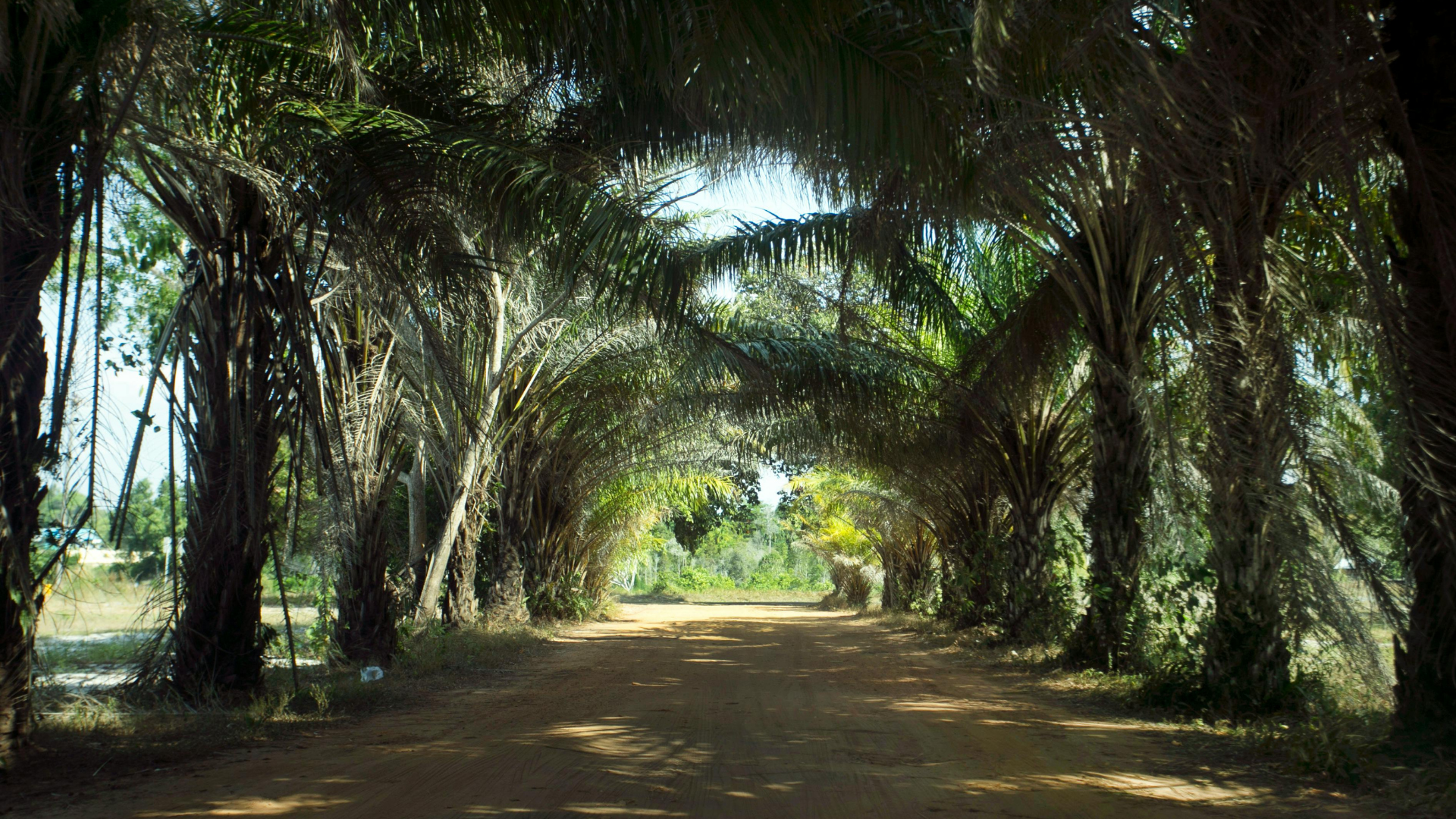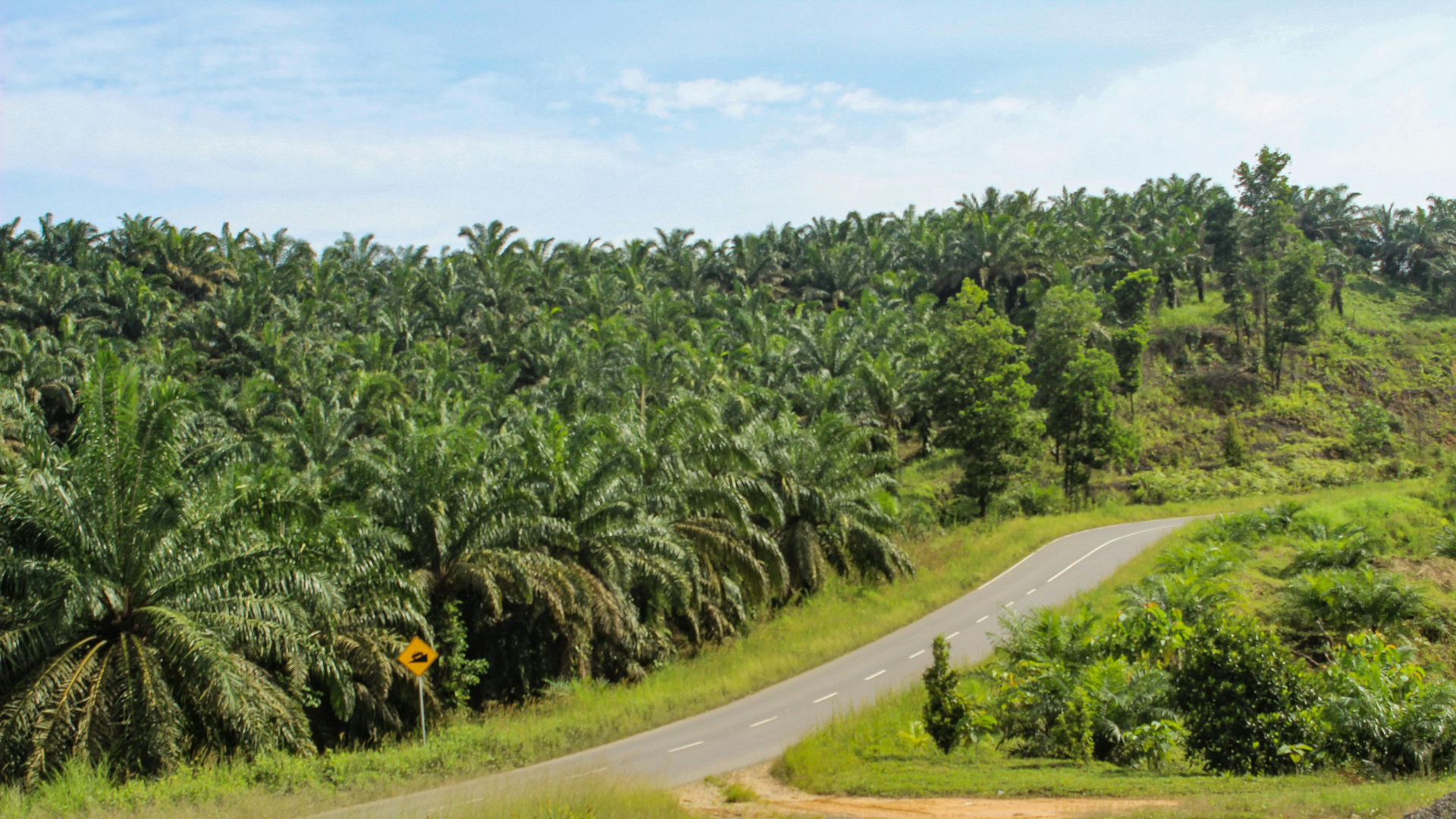
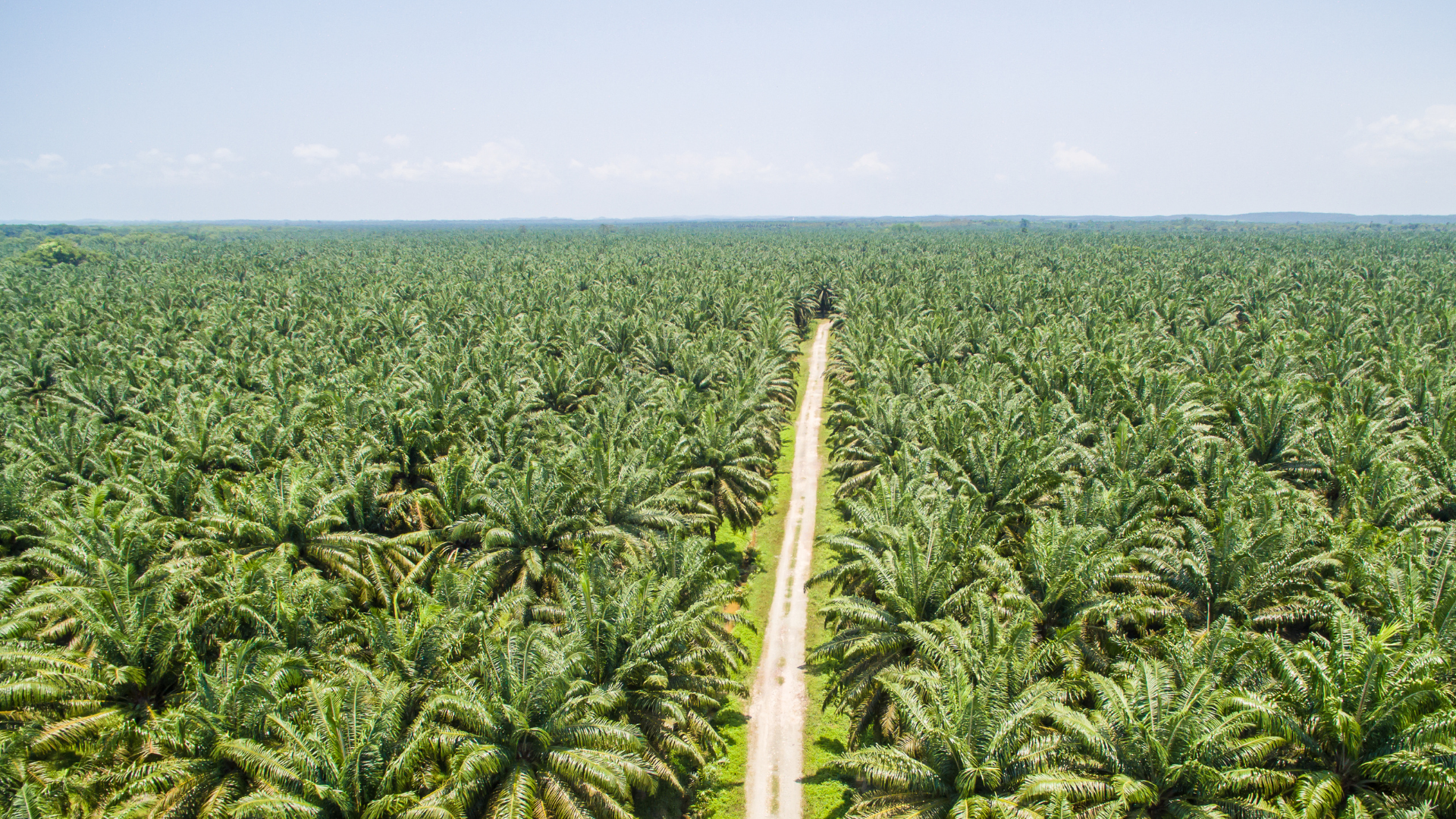

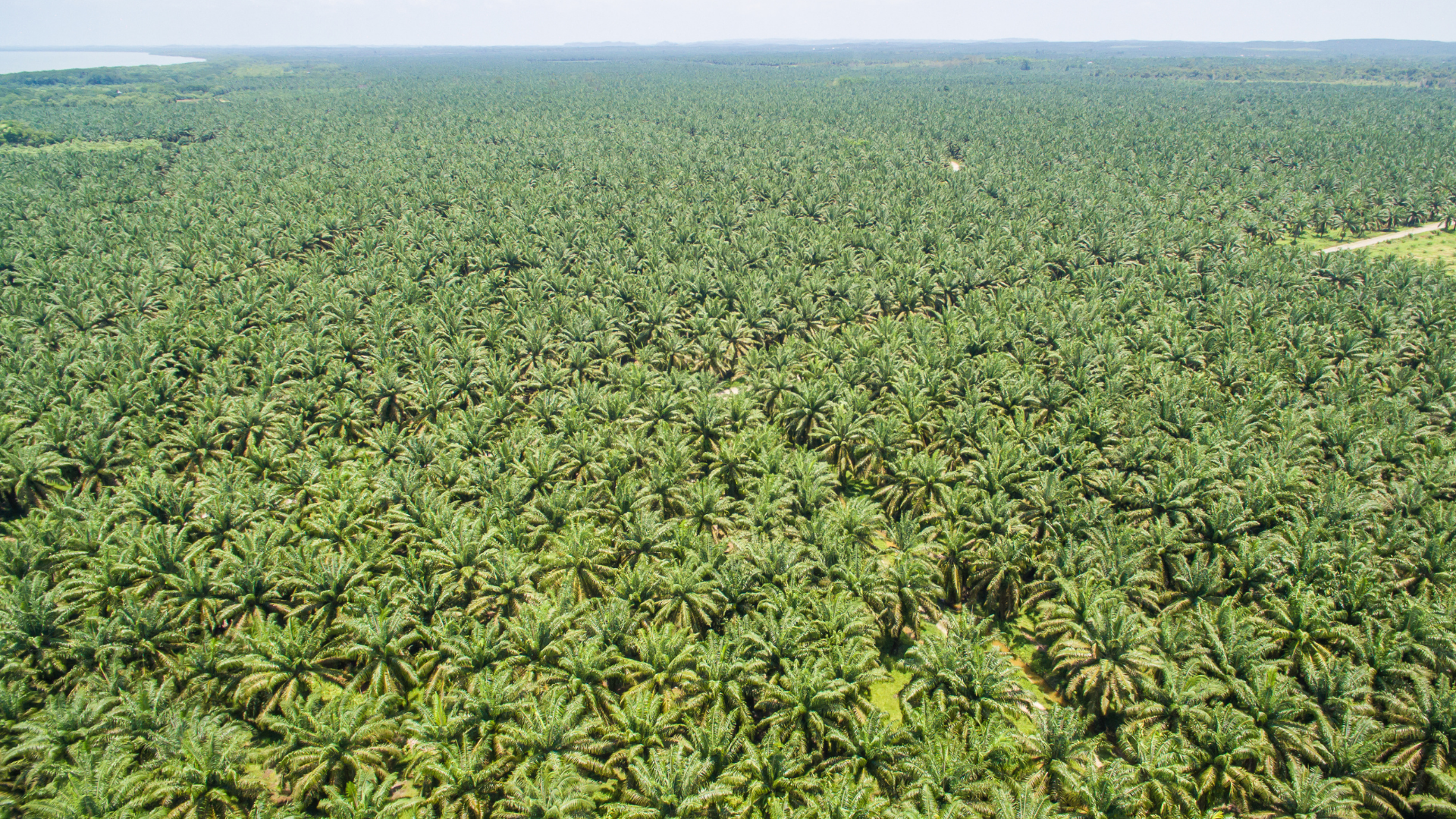
Aerial view of Malaysian palm oil landscape
Malaysian Sustainable Palm Oil logo
Oxford Smith School of Enterprise and the Environment logo

Advancing the next generation of sustainable palm oil policy

A collaboration between Malaysian Sustainable Palm Oil and the University of Oxford’s Smith School of Enterprise and the Environment, building the evidence, partnerships and policy ideas needed for a regenerative, inclusive, climate-resilient and nature-positive palm oil sector.

From compliance to leadership.

Palm oil sits at the centre of some of the world’s most important sustainability questions: climate action, biodiversity recovery, food security, rural livelihoods, trade access, smallholder inclusion and responsible production.

For Malaysia, the challenge is not only to demonstrate compliance with sustainability standards. It is to define what leadership looks like in the next phase of sustainable palm oil. The Lab creates a platform for applied research, stakeholder dialogue and practical policy thinking that connects scientific evidence with real-world sector experience.

1
Climate action
2
Biodiversity recovery
3
Food security
4
Rural livelihoods
5
Trade access
6
Responsible production
Oxford campus skyline
MSPO logo
Smith School logo

National reach meets academic rigour.

MSPO brings

Sector knowledge and practitioner experience across Malaysia’s palm oil value chain, from smallholders and growers to mills, processors, downstream players and multinational companies.

Oxford brings

Research capability, academic rigour and experience translating evidence into policy, sustainability action and enterprise transformation.

To advance knowledge, innovation and policy for a Malaysian palm oil sector that is:

Regenerative: restoring, renewing and enhancing natural systems.
Inclusive: supporting smallholders, workers and communities.
Climate-resilient: strengthening adaptation and reducing emissions.
Nature-positive: contributing to biodiversity recovery and landscape health.
Evidence-led: grounded in research, data and stakeholder experience.

Three applied research tracks for a regenerative palm oil economy.

The Lab does not treat sustainability as a single technical issue, but as a system of linked environmental, social, economic and policy questions.

Nature Recovery and Net Zero Alignment
01

Nature Recovery & Net Zero Alignment

How can palm oil move beyond minimising impact and actively support nature restoration, biodiversity recovery and climate goals?

This theme explores the links between carbon, habitat integrity, biodiversity, land management and emissions reduction, including riparian zones, forest connectivity, set-asides, peatland management and spatial data.

Nature-based Solutions for Agricultural Resilience
02

Nature-based Solutions for Agricultural Resilience

How can nature-based solutions strengthen resilience for smallholders and larger producers?

The Lab looks at how natural systems can improve agricultural resilience, climate adaptation, soil and water management, productivity and long-term economic sustainability.

Social Equity and Livelihoods
03

Social Equity & Livelihoods

How can sustainability policy better support income resilience, community livelihoods and inclusion?

This theme focuses on people at the centre of the sector, especially smallholders, and explores practical pathways for fair, achievable and inclusive sustainability transitions.

Building the evidence base for a net-positive sector.

The Lab looks at palm oil not only through certification, but through the wider systems that shape sustainability: land use, climate, biodiversity, supply chains, livelihoods, finance, market expectations and public trust.

Palm oil estate road
Central question

What would it take for palm oil to make a net positive contribution to people, nature and the economy?

1

Listen

Structured engagement with supply chain companies, government agencies, NGOs, academia and sector representatives.

2

Analyse

Evidence, data, literature and sector practice are reviewed to identify what is known, uncertain and actionable.

3

Translate

Findings are turned into practical insights for policy, standards, business action and implementation.

4

Share

Outputs are communicated through a case study, policy brief, seminars, webinars and public engagement.

Areas of focus
Nature and landscape integrity
Carbon and emissions
Data and measurement
Incentives and implementation
Trust and international perception

Serious questions for a contested global conversation.

Question 01
How should regenerative palm oil be defined in practice?
Question 02
How can nature recovery be measured more effectively?
Question 03
How can MSPO’s national reach support landscape-scale outcomes?
Question 04
What is the business case for implementation?
Question 05
How can smallholders be supported in the transition?
Aerial palm oil landscape

From evidence to action.

The first year will support an Oxford case study and policy brief, while building the foundation for longer-term research, engagement and public understanding.

Sustainable Palm Oil Case Study

A case study for Oxford’s Regenerative Economy Living Library, sharing lessons from Malaysia’s palm oil sector with policymakers, businesses, educators and the public.

Policy Brief

A concise, analytical and accessible brief for decision-makers across the sector, capturing research findings, insights and recommendations.

Stakeholder Engagement

A structured process bringing together industry, government, civil society, academia and supply chain actors to shape research directions.

Foundation for Future Work

The first year will identify knowledge gaps, research needs, datasets, field sites and partnerships for a longer-term programme.

Oxford skyline

Formal launch at the Oxford Martin School on 9 June 2026.

The launch will bring together representatives from MSPO, the University of Oxford, the Malaysian delegation, academic experts, students, stakeholders and invited guests. It marks the beginning of a new phase of collaboration focused on evidence, innovation and policy for sustainable palm oil.

Join the conversation on sustainable palm oil.

The Lab welcomes engagement from stakeholders interested in regenerative economies, nature recovery, climate resilience and inclusive livelihoods.

By combining MSPO’s sector reach with Oxford’s research capability, the Lab aims to contribute to a more informed, balanced and forward-looking conversation on the future of palm oil.